How Tree Coverage and Shade Affect Sidewalk Buildup and Cleaning Frequency in Whatcom County, WA
If your sidewalk sits under tall evergreens or broad maples, you have likely noticed grime, algae, and dark stains that seem to return fast. In Whatcom County's cool, wet climate, shade traps moisture and organic debris, so buildup forms sooner and lasts longer. That is why many homes and small storefronts near Fairhaven, Columbia, and Barkley need routine sidewalk cleaning to keep walkways safer and brighter for family, guests, and customers.
Why Shade Speeds Up Buildup on Concrete
Sunlight helps dry out concrete. When trees block the sun, dampness lingers and dirt bonds to the surface. In this zone, even a light drizzle can reset the clock, leaving sidewalks wet for hours. Over time, that damp film becomes a landing pad for spores and fine particles.
Trapped Moisture From Canopies and North-Facing Homes
Dense branches slow airflow and create a cool pocket around your sidewalk. North-facing entries and side yards in neighborhoods like Sehome or Sunnyland often get the least direct sun, so water evaporates slowly. Rain, fog from the bay, and overnight dew collect in shaded joints and low spots. The result is simple: shaded concrete stays wet longer, which accelerates staining and organic growth.
Organic Debris: Needles, Seeds, and Pollen
Trees do more than cast shade. They shed needles, leaves, seed pods, and pollen that settle into tiny pores in the concrete. When these materials stay damp, they start to break down. That breakdown darkens the surface and provides food for algae and moss to take hold. Because the debris is fine, it can stain deep and return quickly if not removed on a schedule.
Algae, Moss, and Slip Risk After Rain
Green algae and thin moss films thrive in cool, shaded areas. The surface may look only a shade darker, but it can be deceptively slick after a passing shower. Slick surfaces increase slip risk for kids walking to school, delivery drivers, or anyone stepping out for the mail. Regular, professional cleaning helps keep traction consistent, even through the rainy season.
Whatcom County Factors That Raise Cleaning Frequency
Whatcom County's location brings long stretches of cloudy days, steady fall rains, and spring pollen surges. Homes near wooded slopes, like Alabama Hill and Sehome, collect both airborne debris and runoff from overhanging branches. Downtown and Fairhaven sidewalks see foot traffic that grinds grit into the concrete's pores. Add in salt spray near the waterfront on breezy days, and the concrete can stain faster than you expect.
- A heavy canopy of cedars, firs, or maples keeps surfaces damp after light rain.
- Leaf litter in late fall creates dark tannin stains that can linger into spring.
- Pollen strings and needles settle in joints and corners where water pools.
- Shaded, north-facing entries dry slowly, even on breezy days.
When these factors stack up, buildup appears earlier and returns sooner. In many shaded spots, one thorough cleaning a year is not enough to keep up with local conditions.
How Often Should Shaded Sidewalks Be Cleaned
Every property is unique. Frequency depends on tree density, foot traffic, drainage, and proximity to the bay or wooded slopes. As a general guide that fits many Whatcom County homes and small businesses:
- Light shade or partial canopy: plan to maintain appearance once per year.
- Moderate shade with regular foot traffic: twice per year for a steady, clean look.
- Heavy shade with constant debris or dampness: two to three services per year for safety and curb appeal.
These ranges vary by surface age and texture. Older concrete can be more porous, which means stains settle deeper and show sooner. If you notice early signs like green film, dark drip lines under hedges, or sticky pollen on steps, booking professional sidewalk cleaning before the next rainy stretch helps prevent stains from setting in.
What Builds Up in the Shade and Why It Returns Fast
The source material is right above your head. Needles, leaves, seed pods, catkins, and pollen land on damp concrete and start to break down. Wind pushes the fines toward edges and joints. After a shower, the remaining residue becomes a thin film that binds to the surface, so the next round of debris sticks even faster. It is a cycle powered by shade and moisture. Break the cycle with a schedule that clears the film before it becomes a base layer.
Another subtle culprit is dust from nearby roads. In areas like Cordata or along busy feeder streets, vehicle traffic creates fine gray dust that collects on cool, shaded slabs. When mixed with moisture and pollen, it forms a stubborn film that normal rinsing does not remove effectively. A planned service interval keeps this layer from turning into a permanent tint.
Why Choose Professional Pressure Washing for Shaded Walkways
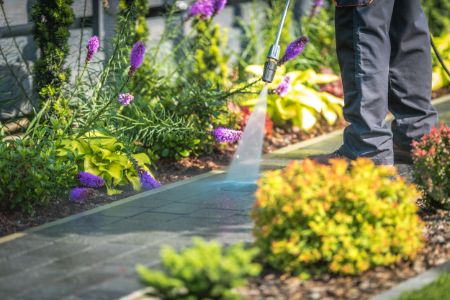
Shaded concrete needs a careful approach. Pros use the right pressure, water temperature, and surface cleaners to lift organic films and fine debris without scarring the slab. Trained technicians also understand when to adjust passes around joints and raised edges so the surface looks even. For many properties, a predictable cadence paired with professional Whatcom County pressure washing keeps sidewalks safe and consistent through the wettest months.
Professional equipment reaches deep pores and textured trowel marks where algae and grit can hide. This matters more in shade, where any leftover film will stay damp and invite faster regrowth. A thorough service removes the film that ordinary rinsing leaves behind, so the concrete stays brighter between visits.
Local Patterns: What We See Across Whatcom County Neighborhoods
Fairhaven's tree-lined sidewalks collect leaf tannins in fall and pollen strings in spring. Sehome and Alabama Hill have cool, forested edges where moss can creep along shaded curbs. Downtown storefronts combat fine grit from daily foot traffic, which can bond with moisture under awnings. Across these settings, the patterns repeat: organic debris feeds growth, and shade gives it time to root in.
Properties near greenbelts or pocket parks often need midyear touch-ups. Homes with tall hedges along the sidewalk may see shadow stripes that hold onto damp film. Places that get afternoon sun usually fare better, but north-facing steps or narrow side paths can still stay damp into the evening. A steady plan prevents surprise slick spots when guests arrive or when customers step in from the rain.
Simple Planning For Homes, HOAs, and Small Shops
A reliable schedule reduces emergency calls and helps protect the look of your entry. It also keeps concrete from developing the dark, patchy finish that can take longer to correct later. Think of your shaded sidewalk like a garden bed. Keep the surface clear, and it stays healthy.
Here is a straightforward way to plan around shade without guesswork:
- Set a baseline service before the rainy season to remove film and leaf stains.
- Book a spring refresh after pollen strings and seed pods have run their course.
- Add a quick midyear touch-up for heavy shade under dense canopies.
This type of plan works well for homes on quiet streets and for storefronts with awnings that block afternoon sun. Over time, you will notice less regrowth between visits because the film never gets a chance to anchor. That means the surface stays brighter and more consistent for guests. In other words, routine service reduces long-term staining that is common in our area.
How Tree Care Affects Cleaning Frequency
You do not need to remove shade to have a clean, safe sidewalk. But mindful tree care can make a difference. When branches are thinned by a qualified arborist, air moves more freely, and sunlight reaches the surface longer each day. Less debris lands on the pavement, and moisture evaporates faster. That slight boost speeds drying and can stretch the time between cleanings. It also helps prevent uneven shadow stripes that trap water along the edge of the walk.
Landscape choices matter too. Beds that sit flush with the sidewalk can spill mulch onto the surface after heavy rain. Creating clean edges and keeping soil levels below the slab height helps reduce that spillover. Simple design tweaks like these support your cleaning plan without changing the character of your yard.
When To Act Sooner
Some signs mean you should not wait for the next scheduled visit:
If you see a green sheen along the outer inch of the slab, darker footprints appearing after steps, or a slippery feel under shoes right after a drizzle, those are early warnings. Addressing them quickly avoids set-in stains and extends the life of prior cleanings. For many properties, the fastest fix is to schedule sidewalk cleaning before a series of rainy days arrives.
Start With A Local Baseline
If you are new to the area or just moved into a home in Lettered Streets, York, or Happy Valley, begin with a simple yearly cadence. Track how fast the green film returns in shaded zones, then adjust twice a year if the surface darkens early. For storefronts, consider anchoring cleanings to the start of key seasons so you arrive fresh for your busiest weeks.
You can also learn a lot from your address. Homes set beside tall hedges, north-facing entries, and lots under dense evergreens usually land on the more frequent side of the range. Properties with wide southern exposure may hold a clean look longer between visits, even with similar foot traffic.
To see where you stand today, review the front walk at midday. If shaded areas look damp while sunny patches are dry, buildup can take hold within days of a storm. A planned service interval keeps the surface uniform and reduces the risk of slick spots when the weather turns.
If you want a quick starting point for service planning at the property level, explore sidewalk cleaning in Whatcom County, WA, to understand how local shade and weather patterns affect your specific block and microclimate.
Ready For Safer, Cleaner Sidewalks?
Shaded sidewalks in Whatcom County collect moisture and debris faster, but a steady plan will keep them bright and safe all year. Schedule a visit with Aqua Renewal Solutions to build a routine that matches your tree cover, exposure, and foot traffic. You can request an assessment today or talk through timing that fits your property's shade pattern. Reach us at 360-410-3083, or book your next service through our sidewalk cleaning page.
When it is time to refresh your walk, trust a local team that understands how Whatcom County's weather and tree canopy work together. We will help reduce slick spots, brighten your curb appeal, and keep your paths welcoming year-round.
Safety, clarity, and curb appeal start with a plan. Contact Aqua Renewal Solutions at 360-410-3083 to arrange your next visit, and enjoy a sidewalk that stays clean longer between storms. Call us now to schedule sidewalk cleaning in Whatcom County.